

How to Determine Your Correct Prescription for Glasses Online
Buying glasses online can be convenient and cost-effective, but knowing your correct prescription is crucial. Here’s a step-by-step guide to ensure you have the right prescription for ordering glasses online.
First, ensure your prescription is up to date. Eye prescriptions typically expire within one to two years, so it’s important to have a recent eye exam. During the exam, your optometrist will measure various aspects of your vision and provide you with a prescription that includes your sphere (SPH), cylinder (CYL), axis, and possibly your ADD (for bifocals or progressives).
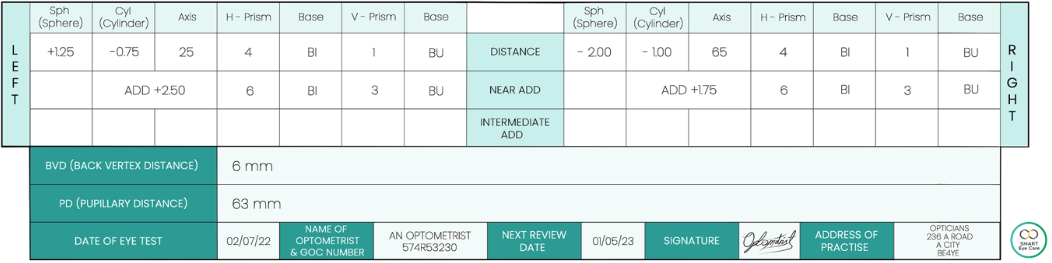
Next, you’ll need to measure your pupillary distance (PD), the distance between the centers of your pupils. This measurement is crucial for aligning the lenses correctly with your eyes. You can measure your PD at home using a ruler and a mirror, or virtual tools to help with this process.
When entering your prescription online, be precise. Double-check that all numbers and details are correctly entered. At Smart Eyecare you also have the option to upload your prescription to ensure accuracy. You can also visit us in-store.
If you wear multifocal lenses, such as bifocals or progressives, we will need to carryout extra checks to produce them. Accuracy is even more critical with these complex lenses.
Lastly, consider consulting with customer service if you’re unsure about any part of your prescription or the ordering process. Smart Eyecare was founded by a qualified Optometrist. Our Optometrist team are available to help with questions and ensure your order is accurate.
By following these steps, you can confidently order your prescription glasses online, saving time and money while ensuring you get the correct lenses for your vision needs.
Can You Use a Contact Lens Prescription to Order Glasses Online?
A common question among those new to buying glasses online is whether they can use their contact lens prescription to order glasses. The short answer is no; you need a specific prescription for glasses. Here’s why.
Contact lens prescriptions and glasses prescriptions differ in several ways. Contact lens prescriptions include measurements for the curvature and diameter of the lenses, which aren’t needed for glasses. They also typically have different sphere (SPH) values because contact lenses sit directly on your eyes, while glasses sit a bit away from your face.
For glasses, you need a prescription that includes sphere (SPH), cylinder (CYL), axis, and possibly an ADD (for multifocal (bifocals and varifocals) lenses). Additionally, you’ll need your pupillary distance (PD), which is not part of a contact lens prescription. This measurement ensures the lenses align correctly with your eyes.
If you only have a contact lens prescription, you’ll need to visit your Optometrist to get a proper glasses prescription. Many eye care providers will provide both prescriptions during a single exam, so be sure to ask for both, next time you have your eyes checked. The eye examination for glasses and the contact lenses assessment and aftercare are all different types of examinations.
Having the correct prescription is essential for optimal vision and comfort. Using an incorrect prescription can lead to headaches, eye strain, and blurred vision. Therefore, always use the specific prescription for glasses when ordering online.
By understanding the differences and ensuring you have the correct prescription, you can successfully order glasses online and enjoy clear, comfortable vision.
How to Measure Your Pupillary Distance (PD) for Online Glasses
When ordering glasses online, knowing your pupillary distance (PD) is crucial. PD is the distance between the centers of your pupils and ensures that the lenses are correctly aligned with your eyes for optimal vision. Here’s a simple guide to measuring your PD at home.
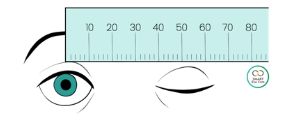
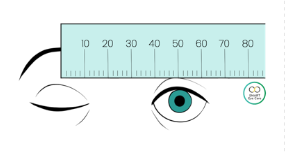
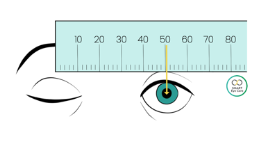
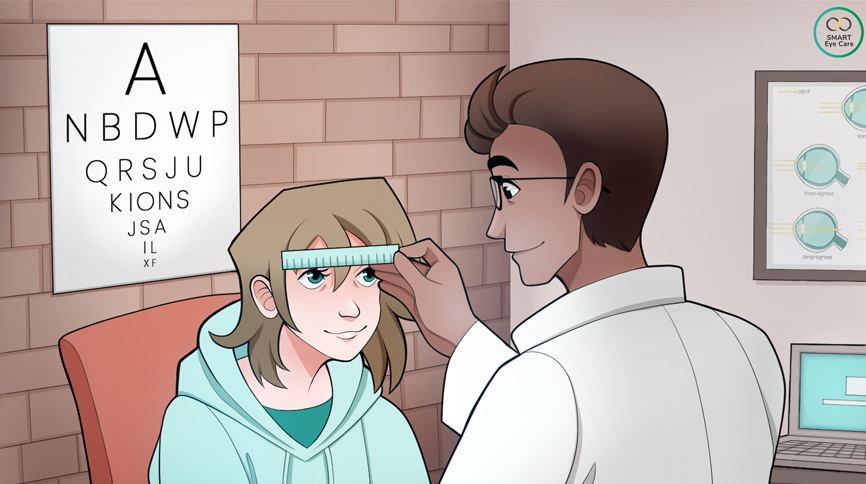
Your Optometrist or Opticians will measure the PD when you are having your new prescription made up into your glasses. First, they would gather their tools: a special millimeter ruler, a fine tip marker and a mirror. They would sit or stand about 12- inches from you. They would ask you to look straight ahead and hold the ruler against your brow.
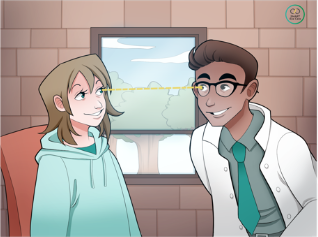
They would then ask you to close your right eye and align the zero mark of the ruler with the center of your left pupil. Then, without moving the ruler, close your left eye and open your right eye. Note the measurement to the center of your right pupil. This number is your PD. For most adults, PD ranges between 54-74 mm.
You could do this by placing a mirror in front of you at the same distance and following the same steps as mentioned above.
If you have someone to help, the process can be even easier. Have them stand in front of you and measure the distance between your pupils directly. Ensure you both are looking straight ahead and at the same level.
Some online applications offer digital tools to measure PD. These tools typically involve uploading a photo of yourself holding a card with a known measurement (like a credit card) next to your forehead. The software calculates your PD based on the reference size.
Ensuring an accurate PD measurement is critical. Incorrect PD can lead to eye strain, headaches, and even distorted vision because the optical centers of the lenses won’t align correctly with your pupils.
By taking a few minutes to measure your PD accurately, you can ensure your online glasses will be comfortable and provide the best possible vision correction.
Disclaimer.
The best results are achieved by having an accurately measured PD, by a qualified person. We accept no liability for PD measurements that are inputted into our platform. If possible, you can attend our store for these measurements at a cost (£25 – other, additional charges such as measurements for bifocals and varifocals or consultation advice. These are by appointment only and payment is made on booking).
How to Choose the Right Frame Size for Glasses Online
Choosing the right frame size for glasses online can seem daunting, but it’s crucial for comfort and proper fit. Here’s a guide to help you find the perfect size for your face.
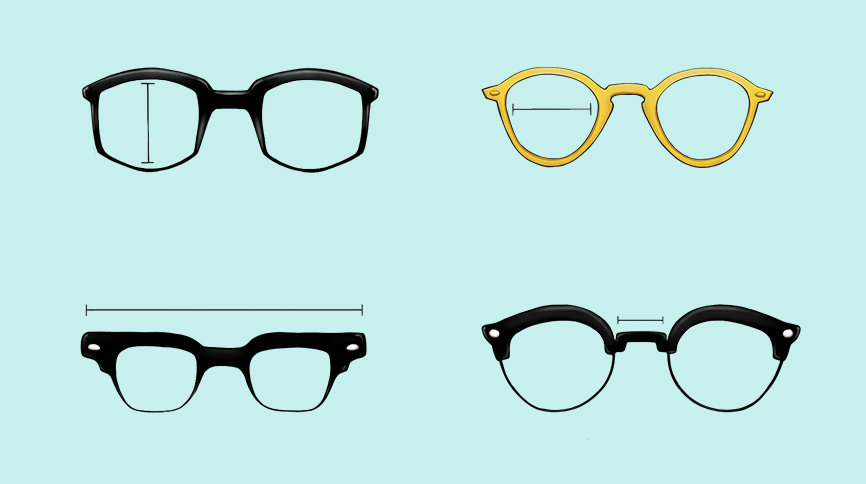
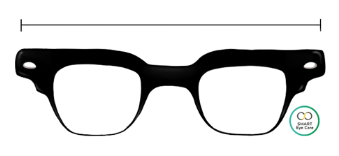
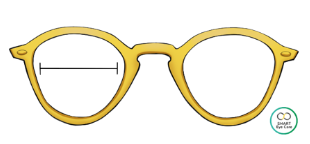
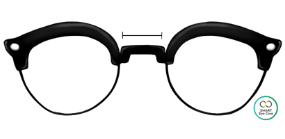
Start with a pair of glasses you already own that fits well. Look at the inside of the temple arms; you’ll see numbers indicating the lens width, bridge width, and temple length (e.g., 52-18-140). These measurements are in millimeters and are a good starting point for finding similar-sized frames.
If you don’t have glasses to reference, measure your face. Use a ruler to measure the width of your face from temple to temple. Most online retailers offer size guides based on face width, helping you determine whether you need small, medium, or large frames.
The lens width is the horizontal width of each lens, usually ranging from 40-60 mm. Bridge width, the distance between the lenses, typically ranges from 14-24 mm. Temple length, the arms of the glasses, usually ranges from 120-150 mm. Ensuring these measurements are proportionate to your face size is key to a comfortable fit.
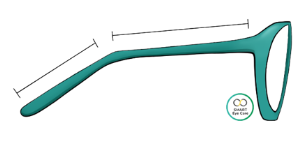
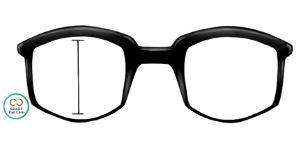
Many online retailers also provide virtual try-on tools. Upload a photo of yourself or use your webcam to see how different frames look on your face. This can be a fun and helpful way to visualize the fit and style of the frames before making a purchase. (Are we having Virtual try on?)
Comfort and proper fit are essential. Ill-fitting glasses can cause discomfort, slipping, and even headaches. By taking the time to measure correctly and using available tools, you can find the perfect frame size for your new glasses.
At Smart Eyecare, you can visit our store for an appointment to pick up your glasses and have them fitted so that they are comfortable. There is a charge for this service, and you will require an appointment. Click this link to see our Contact Us page.
Understanding the Different Lens Coatings for Online Glasses
When ordering glasses online, choosing the right lens coatings can significantly enhance your comfort and visual experience. Here’s a breakdown of the most common lens coatings and their benefits.
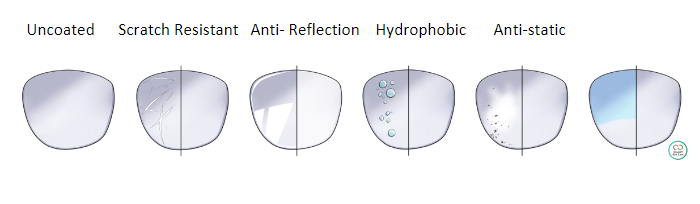
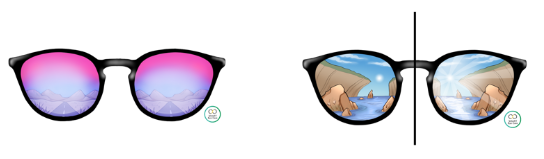
The right side of the lenses is coated to illustrate the benefit of the coating.
Anti-reflective (AR) coating: This coating reduces glare from screens, headlights, and other light sources. It enhances clarity and reduces eye strain, especially for those who spend a lot of time on digital devices or driving at night.
Scratch-resistant coating: While no lens is completely scratch-proof, this coating makes your lenses more durable and less likely to get scratched from everyday use. It’s a must for those who want to extend the lifespan of their glasses.
UV protection coating: This coating blocks harmful UV rays, protecting your eyes from potential damage. It’s especially important if you spend a lot of time outdoors.
Blue light blocking coating: This coating filters out blue light emitted from digital screens, which can cause eye strain and disrupt sleep patterns. It’s beneficial for those who work on computers or use their smartphones frequently.
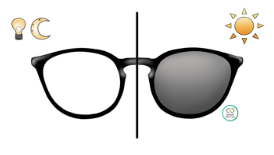
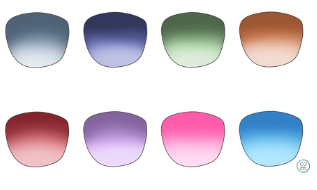
Photochromic lenses: Also known as transition lenses, these lenses darken in response to sunlight and clear up indoors. They offer convenience for those who switch between indoor and outdoor environments often, eliminating the need for separate prescription sunglasses.
Anti-fog coating: Ideal for those who experience lens fogging due to weather conditions or mask-wearing, this coating helps maintain clear vision by preventing condensation on the lenses.
Choosing the right coatings depends on your lifestyle and needs. For instance, if you work long hours on a computer, blue light blocking, and anti-reflective coatings would be beneficial. For outdoor activities, UV protection and photochromic lenses might be the best options. By understanding these coatings and their benefits, you can make an informed decision that enhances your visual comfort and protects your eyes, ensuring you get the most out of your online glasses purchase.


How to Ensure the Right Fit and Look for Glasses Online
Ensuring the right fit and looking for glasses online can be challenging but manageable with the right approach. Here are some tips to help you choose glasses that fit well and look great.
Know your face shape: Understanding whether your face is round, oval, square, heart-shaped, or rectangular can help you choose frames that complement your features. For example, round faces often look good with angular frames, while square faces benefit from rounder, softer frames.


Use virtual try-on tools: Many online retailers offer virtual try-on features. Upload a photo or use your webcam to see how different frames look on your face. This tool helps you visualize the style and fit, narrowing down your choices.
Check the frame measurements: Look for the frame’s lens width, bridge width, and temple length measurements. Compare these with a pair of well-fitting glasses you already own. Proper measurements ensure comfort and prevent slipping or pressure points.
Consider your lifestyle: Think about how you’ll use your glasses. If you’re active, lightweight and durable materials like titanium or acetate might be best. For office settings, more stylish or professional frames might be appropriate.
Look for adjustable features: Some frames come with adjustable nose pads and temples, allowing for a more customized fit. These features can enhance comfort, especially if you wear your glasses for long periods.
Read reviews: Customer reviews can provide insight into the fit and quality of the glasses. Look for feedback on comfort, durability, and how true to size